Community Health Centers Doing Excellent Work
Among the 1,400 Community Health Centers in the United States, the sustained performance of a small group reflects something more than good processes or favorable demographics. They have developed the organizational conditions that make excellent care and employee flourishing a reliable habit, conditions that persist through leadership transitions, funding crises, and the ordinary turbulence of organizational life.
The organizations below are illustrative, not exhaustive. They are examples of what is possible. For any leader or board member wondering whether habitual excellence in a community health center is a realistic aspiration, they prove that the answer is yes.
El Rio Health
Tucson, Arizona · Founded 1970 · 125,000+ patients annually
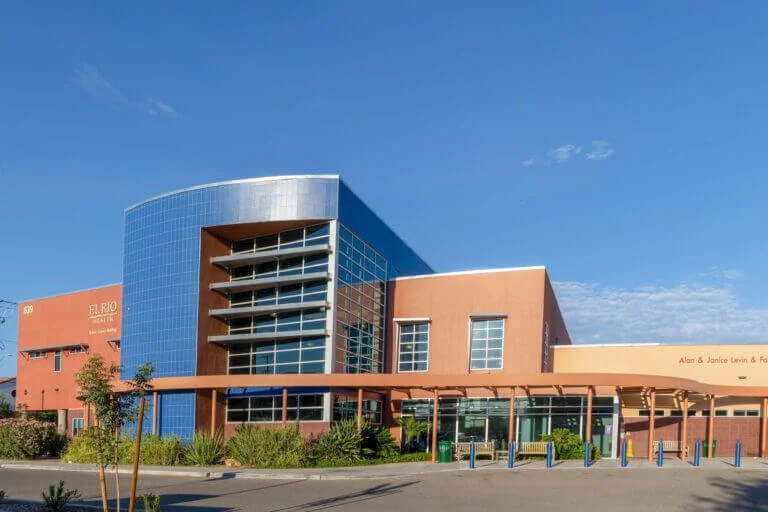
El Rio Health began in 1970 as a small clinic serving Tucson's underserved west side. Today it is one of the largest and most recognized Community Health Centers in the country, serving more than 125,000 patients across dozens of sites. Its stated vision — to be a national model of excellent healthcare — is not a recent aspiration.
What sets El Rio apart most starkly is its investment in the conditions under which its people work. In 2024, El Rio became the first FQHC in the country to receive gold-level recognition from the American Medical Association's Joy in Medicine Health System Recognition Program. The designation reflects a rigorous assessment of organizational culture and staff wellbeing. At El Rio, 73.7 percent of physicians report feeling valued by their organization, compared to a national average of 50.4 percent. That result is the product of treating staff wellbeing as organizational architecture, built into how the institution functions, rather than as a program layered on top of existing structures.
El Rio holds multiple HRSA quality recognitions, Joint Commission accreditation, and NCQA behavioral health distinction. The accumulation is evidence of organizational conditions that support habitual excellence of the organization and its work.
NeighborHealth
Greater Boston, Massachusetts · Founded 1970 · 120,000+ patients annually
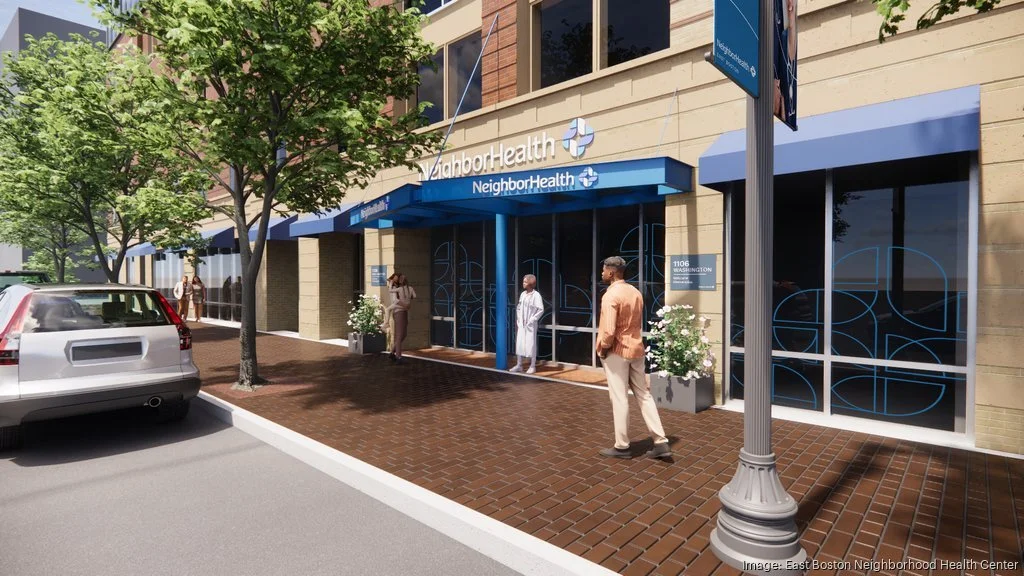
Founded in 1970 to address a critical gap in healthcare access for East Boston's working-class immigrant population, NeighborHealth — until recently known as East Boston Neighborhood Health Center — has grown into the largest community-based primary care health system in Massachusetts. Its founding board made a commitment that has shaped the institution ever since:
Serving a disadvantaged population would never mean accepting lower standards of care. The health center would be a place where every community member, including board members themselves, would want to receive treatment.
That founding clarity has proven remarkably durable. NeighborHealth is consistently recognized by HRSA as a National Quality Leader, placing it among the top ten percent of FQHCs nationwide for clinical quality performance. It is the only Community Health Center in New England to operate twenty-four hours a day, seven days a week. Its 2024 rebranding to NeighborHealth was itself a statement about organizational identity: the name reflects the institution's expanding geographic reach while keeping its deepest commitment — care for neighbors, whoever and wherever they are — at the center.
NeighborHealth's story demonstrates that organizational mission, when it is genuinely internalized, can outlast the people who originally articulated it. Five decades and several leadership generations later, the founding board's clarity is still visible in how the organization operates.
La Maestra Community Health Centers
San Diego, California · Founded 1990 · 46,000+ patients annually
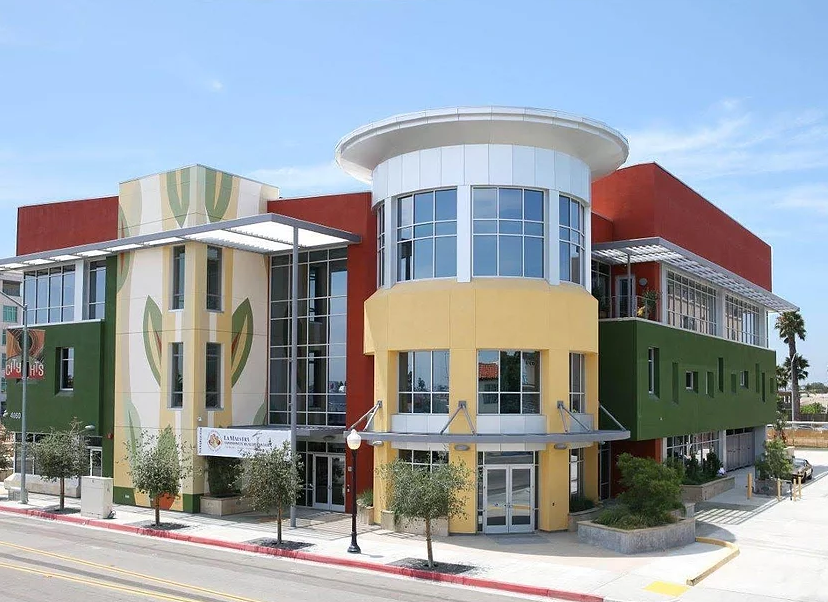
La Maestra began in 1986 as an amnesty center for immigrants and refugees in San Diego's City Heights neighborhood, run by teachers and immigration advocates for families who had no reliable entry point into American civic life. When those families asked for help accessing healthcare, La Maestra followed them, creating a health center grown from the inside of a community.
That origin shapes how La Maestra operates. Its “Circle of Care” model integrates primary care with housing assistance, food security programs, legal advocacy, employment training, financial literacy, a community garden, and healing arts. The organization's founders understood, from direct experience, that health cannot be separated from the conditions in which people live. Staff speak more than thirty languages. Cultural fluency is the connective tissue of the organization.
La Maestra holds NCQA Level 3 Patient-Centered Medical Home recognition — the highest available — at multiple sites and has been repeatedly recognized as a National Quality Leader by HRSA. Its CEO, Zara Marselian, has led the organization since its founding, embodying a kind of institutional memory and values continuity that is rare in any sector.
Yakima Valley Farm Workers Clinic
Washington and Oregon · Founded 1978 · 200,000+ patients annually
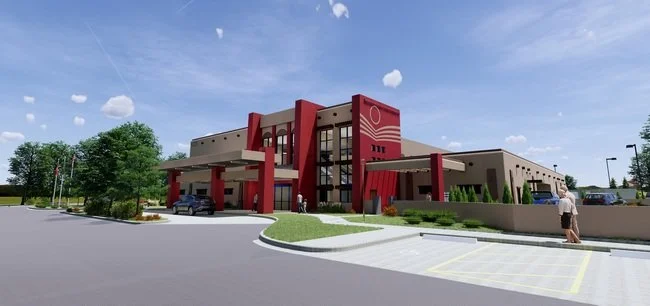
In 1978, two physicians — Dr. Paul Monahan and Dr. Donald Gargas — opened a small clinic in the Yakima Valley to serve migrant and seasonal farmworkers who had almost no access to healthcare. The founding commitment was both specific and expansive: to care for families who had no place to go. Over the following four decades, that commitment has guided the organization's growth from a single rural clinic into one of the largest community health center networks in the Pacific Northwest, with more than forty sites across Washington and Oregon and over 200,000 patients served annually.
YVFWC holds Joint Commission certification, NCQA Level 3 PCMH recognition, and HRSA quality recognition. It operates as a teaching health center, training the next generation of physicians, dentists, behavioral health providers, and pharmacists — a structural investment in the future of its own workforce and of community health broadly. Its stated core values — Service, Passion, Innovation, Commitment, and Empathy —describe how people relate to each other and to their work.
What started as care for farmworkers has, in YVFWC's own words, “evolved into a promise to all families facing barriers to high-quality, affordable health care.” That evolution — from specific service population to broad community commitment — is itself evidence of an organization capable of learning and growth without losing its moral center.