The Board Your Mission Deserves
A two-day intensive program that helps committed individuals become a high-performing governing team.
The board of a community health center holds the mission in trust. It sets the standards for strategic thinking, financial stewardship, and organizational accountability. It governs on behalf of the community — including the patients who hold the majority of its seats.
Most CHC boards are composed of people who genuinely care about the center and the community it serves and take their responsibilities seriously. And yet, most have not achieved habitual excellence.
That gap — between genuine commitment and genuine effectiveness — is not a character problem. It is a development problem. It is solvable. And closing it is among the highest-leverage investments a community health center can make.
The Result We Promise
By the end of this program, your board will have:
A shared understanding of what your center is trying to accomplish and why it matters
The communication practices that ensure every perspective is genuinely heard — not just nominally represented
The thinking tools that enable sound collective judgment on difficult questions
A common framework for the governance work ahead: strategic oversight, financial stewardship, leadership accountability, and mission fulfillment
The experience of having worked through real challenges together — which is itself a foundation that no other process can replicate
This is not a certificate program. It is a transformation in how your board works together.
Board members — the people who actually have to clear two days to complete the program— deserve a direct answer to a basic question:
what ‘s in this for me?
Most people who serve on CHC boards do so because they care about their community and want to make a real difference. Many also find, somewhere along the way, that board service is less satisfying than they hoped. Meetings feel procedural rather than purposeful. Discussions circle without resolution. Important questions go unasked. The sense that the board is genuinely leading — rather than ratifying, complying, and moving on — is elusive.
This program addresses that need directly.
By the end of the two days, you and other board members will have:
A clearer sense of purpose — understanding not just what the board does but why it matters and how your specific contribution connects to the health of real people in their community.
Who This is For
This program is designed for the full board of a community health center — every member, present and participating, for both days.
That is a design requirement. The foundation this program builds — shared language, shared thinking tools, shared commitment to governing excellence — can only be built by the people who govern together. A board that goes through this process as a complete team develops something that a partially-assembled group cannot replicate.
The CEO and Board Chair help ensure that every board member understands what the program is, why it matters, and why their presence for both days is essential to its success. The program itself belongs to the full board.
If your board is ready to make that commitment, this program was designed for you.
What Board Members Gain
The experience of being genuinely heard — not just given time to speak, but having their perspective actually seen and considered by their fellow board members.
Better tools for the work — practical methods for thinking through hard questions, navigating disagreement, and reaching decisions that everyone can authentically support rather than merely tolerate.
Stronger relationships with fellow board members — the shared experience of two days of genuine collaborative work builds trust and mutual understanding that months of regular meetings rarely produce.
A renewed sense that the work is worth doing — which may be the most important outcome of all. Board members who leave this program understand more clearly what excellent governance looks like and believe more fully that their board can achieve it.
You give two days. You gain the tools, the relationships, and the sense of purpose that make the next several years of board service genuinely rewarding.
THE PROGRAM: THREE STAGES
Stage 1: Where Are We Now?
Effective board development begins not with a curriculum but with a diagnosis.
Before the program begins, every board member completes our Board Readiness Assessment — a structured questionnaire that surfaces how the board currently functions across the dimensions that matter most: purpose clarity, communication quality, decision-making effectiveness, governance competence, and strategic engagement.
The two-day program opens with a facilitated conversation built on what the assessment reveals. What is working well? Where are the gaps? What are the dynamics — spoken and unspoken — that are helping or hindering the board's effectiveness?
This stage accomplishes two things simultaneously. It gives us the specific, accurate picture of your board that allows everything that follows to be calibrated to your actual situation rather than a generic template. And it gives board members their first experience of what genuine collective inquiry feels like — which is itself part of the transformation.

Stage 2: Thinking & Communicating Together
The foundation of effective governance is the ability to think well together.
This is harder than it sounds. A board is not a committee that votes. It is a deliberative body whose quality of judgment depends on whether it can surface the full range of relevant knowledge, ensure that every perspective is genuinely considered, navigate disagreement productively, and reach decisions that all members can authentically support.
Most boards do not do this naturally. They do it to the extent that they have learned how.
In this stage, board members learn and practice a set of communication and thinking disciplines that make genuine collective judgment possible:
Ensuring that everyone is heard — not merely that everyone gets to speak, but that all perspectives are actually seen and understood before the board moves toward decision. This requires specific facilitation practices and, more importantly, a shared commitment to doing it.
Thinking before deciding — the discipline of separating the generative work of developing options and perspectives from the evaluative work of choosing among them. Boards that conflate these stages routinely make worse decisions than they are capable of. This stage gives your board a practical method for keeping them distinct.
Navigating the zone of productive disagreement — the period in any genuine deliberation when perspectives have diverged but consensus has not yet formed. Many boards short-circuit this stage because it is uncomfortable. High-performing boards have learned that this is precisely where the best thinking happens, if it is properly supported.
Reaching genuine agreement — the difference between a unanimous vote and a decision that all members actually own. The program gives the board practical tools for knowing which they have, and for closing the gap when they don't.
Throughout this stage, learning happens through practice, not lecture. Board members work through simulated scenarios — drawn from the real governance challenges CHC boards face — and develop the skills by using them, not just hearing about them.

Clarity of purpose means knowing what and why you want to achieve a particular task, the next meeting, an intermediate goal, or the overall mission.
Stage 3: Governing Well
With the communication and thinking foundations in place, the board turns to the specific competencies that excellent CHC governance requires.
Clarity and stewardship of purpose — How does the board ensure that the center's mission remains a living orientation rather than a framed statement on the wall? What is the board's role when financial pressure, leadership transitions, or strategic choices threaten to pull the organization off course?
Strategic oversight — The distinction between governing and managing is real and important. This stage helps the board develop the questions, processes, and disciplines that constitute genuine strategic oversight — without crossing into the operational territory that belongs to staff.
Financial stewardship — Board members who do not deeply understand the center's financial condition cannot fulfill their fiduciary responsibility. This stage builds the financial literacy that FQHC governance requires: not accounting expertise, but the ability to read what the numbers are saying and ask the right questions about what they mean.
Leadership accountability — The board's relationship with the CEO is among the most consequential governance responsibilities it has. This stage addresses how to conduct that relationship with the combination of support and accountability that both the CEO and the mission require.
Sustaining what you've built — Excellence is not a destination. It is a practice. The program closes with a set of commitments and structures that give the board a way to maintain and develop what it has learned after the two days are complete.

THE FORMAT
Two full days, off-site
The program is conducted at a hotel or conference facility away from the center's offices. This is not a logistical preference. It is a design requirement. The work of this program — building a shared foundation, practicing new skills, developing genuine trust — requires uninterrupted time and a setting that signals that something different is happening. The ordinary rhythms of organizational life, if they are present, will crowd out the space the work needs.
Hands-on throughout.
This is a workshop, not a seminar. The majority of the time is spent in structured practice — working through real governance scenarios, developing skills by using them, and building the shared experience that is itself part of what makes the program work.
Full board attendance
is a condition of success.
A board that goes through this process together develops something a partially-assembled group cannot: a shared foundation that belongs to everyone in the room. The board member who was not present does not share that foundation — and the board's subsequent work will reflect that absence in ways that are difficult to recover from. We ask board chairs to treat full attendance not as a logistical target but as a commitment to the organization's future.
THE RESEARCH BEHIND THE PROGRAM
This program is not a collection of best practices assembled from the management literature. It is a coherent framework built from decades of research and direct practice in organizational development, negotiation, conflict resolution, and governance training.
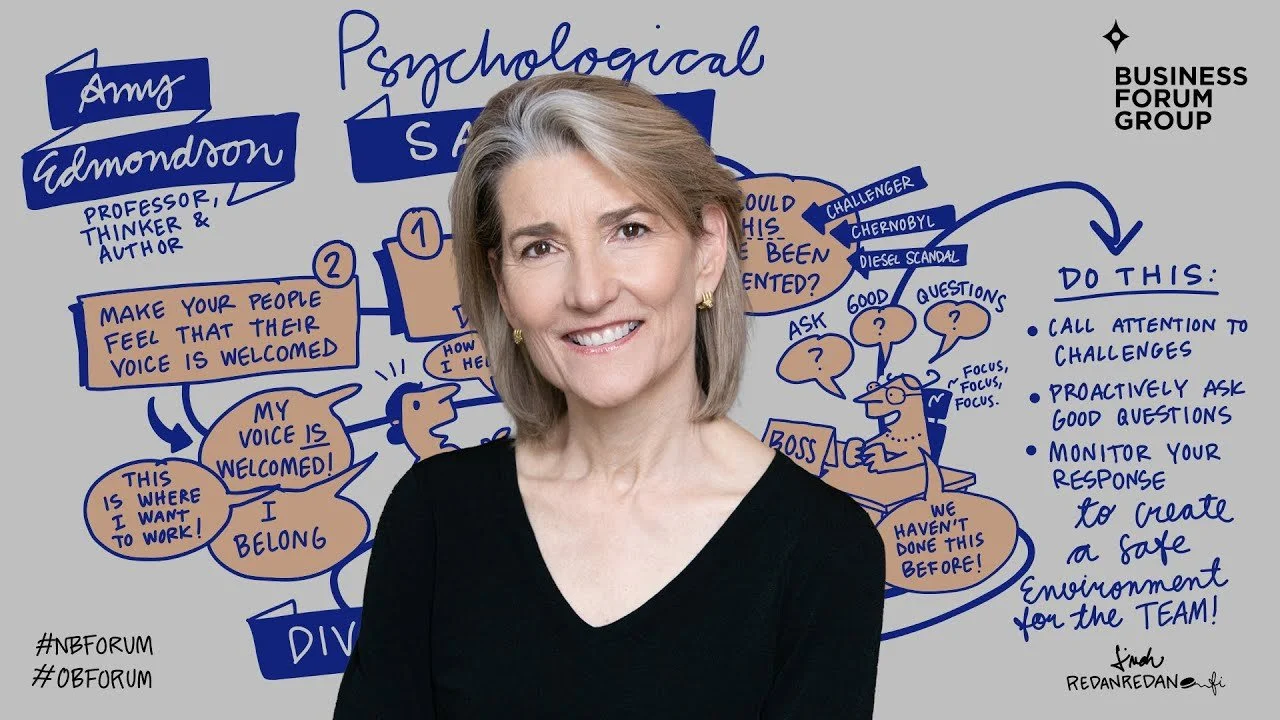
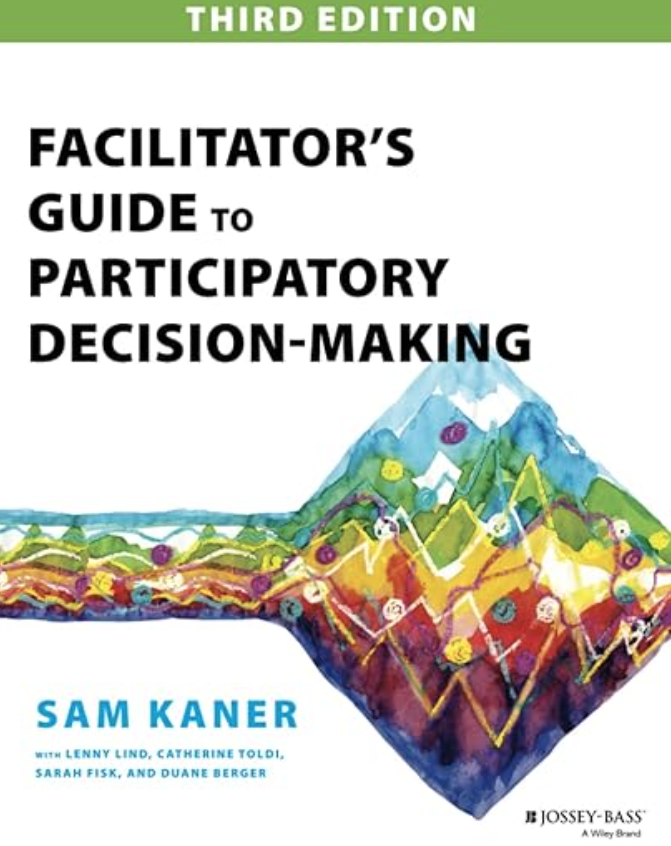
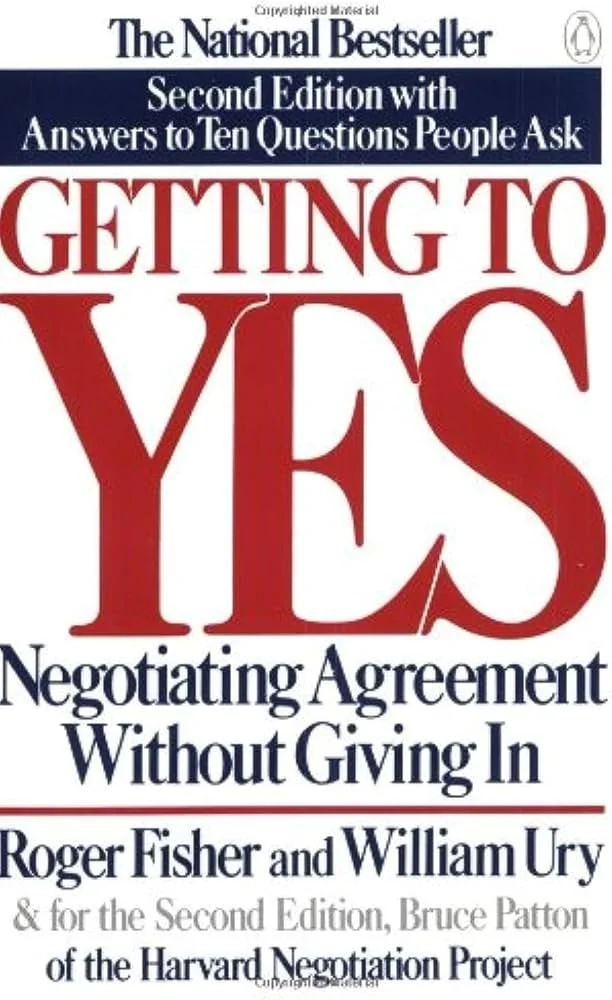
It draws on the work of Amy Edmondson on psychological safety and team learning, Edward Deci and Richard Ryan on what sustains human motivation in organizational settings, Sam Kaner on participatory decision-making, the Harvard Program on Negotiation's principles of mutual-gain problem solving, and a substantial body of research on what distinguishes high-performing boards from adequate ones.
The nine conditions of organizational excellence that frame the program are grounded in the same research base as Organized for Excellence — a synthesis of organizational theory, healthcare quality research, and the accumulated knowledge of practitioners who have built excellent organizations under difficult conditions.
THE FIRST STEP
We begin every engagement with a conversation — not a sales call, but a genuine diagnostic discussion about where your board is and whether this program is the right fit for your situation.
If it is, we will tell you so directly, and explain why. If it isn't, we will tell you that too.
Get In Touch
If you're interested in working with us, complete the form with a few details about your project. We'll review your message and get back to you within 24 hours.